Floral Unicorn with Butterfly
A Designer’s First Stitch: Charm, Clarity, and Commercial Sense
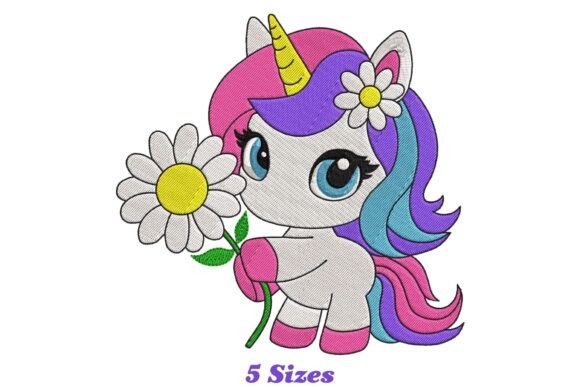
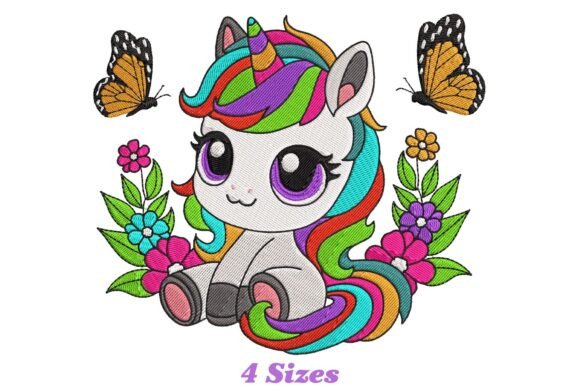
When I opened the Floral Unicorn with Butterfly embroidery file for my latest client project—a set of personalized cotton tote bags for a boutique baby shop—I paused. Not because it was complicated, but because its charm is immediate and intentional. This isn’t just a whimsical motif; it’s a carefully balanced machine embroidery design that leans into fairy tale warmth without tipping into visual clutter. The unicorn’s profile is soft and rounded, the floral elements wrap organically around its neck and mane, and the butterfly rests lightly on one horn—neither dominant nor an afterthought. It reads as joyful, gentle, and handmade in spirit—not cartoonish or overly stylized. That distinction matters when you’re stitching for real people who’ll hold, wash, and gift your work.
Where It Lives Best: Real Projects, Real Reactions
I stitched Floral Unicorn with Butterfly across five different substrates: lightweight linen tea towels, midweight organic cotton sweatshirts, structured twill aprons, stretchy baby onesies, and medium-density denim tote bags. On the towels and aprons, the design held crispness beautifully—the satin stitch on petals and wings stayed smooth, and the fill stitch in the unicorn’s body remained even without puckering. Customers responded strongly to it on nursery pillows and holiday gift sets: one Etsy buyer messaged saying her niece “recognized the unicorn before she could read the name”—proof that the silhouette carries narrative weight.
It shines brightest on custom apparel where personality meets wearability: think embroidered sweatshirt cuffs, baby bodysuit chest placements, or the front panel of a linen market bag. As a tote bag design, it lands with quiet confidence—whimsical enough for a craft fair stall, refined enough for a boutique shelf. For small shop owners, this is the kind of embroidery file that supports brand consistency across product lines without needing heavy rebranding or color overhauls.
Where to Pause—and Why
That said, Floral Unicorn with Butterfly isn’t universally forgiving. On thin, slippery fabrics like rayon challis or lightweight voile, the fine wing details and delicate stem lines risk shadowing or thread breakage without extra stabilizer support. I tested it on a curved cap front and found the butterfly’s outer edge slightly distorted—fine for a flat patch, less ideal for direct cap embroidery unless resized and rehooped with precision.
On dark fabric, contrast becomes critical. The design relies on layered satin and fill stitches, so low-contrast thread choices (e.g., light lavender on navy) muted the floral definition. And while it holds up well after three rounds of gentle machine washing on cotton, I wouldn’t recommend it for high-abrasion zones like elbow patches or toddler knee panels—those dense fill areas can soften faster than running-stitch accents.
Stitch Density & Detail Integrity
The stitch density feels thoughtfully calibrated—not sparse enough to look unfinished, not dense enough to overwhelm lightweight cloth. Still, inspect the butterfly’s antennae and the smallest flower centers before committing to production. On my first run, a stray loose thread caught in one petal corner during trimming—nothing a quick digitizing tweak couldn’t fix, but worth noting if you plan to scale down below 3.5 inches wide. For baby embroidery or personalized gifts, keep it at 4–5 inches to preserve legibility and tactile softness.
What It Adds to Your Finished Product—Beyond Aesthetics
Using Floral Unicorn with Butterfly elevates perceived value without demanding premium pricing. Its balance of fantasy and refinement makes handmade products feel intentional—not just “cute,” but considered. Etsy sellers report higher engagement on listings featuring this design in natural-light mockups, especially when styled beside botanical prints or neutral knitwear. It also performs well in printable mockups: the clean outlines and moderate detail translate clearly to digital previews, helping buyers visualize before purchase.
For commercial embroidery, it reinforces professionalism. Unlike busier fairy tale motifs, this design doesn’t compete with logos or text—it complements them. I’ve paired it subtly beneath a monogram on pillow covers and alongside a small business tagline on aprons. It signals creativity without shouting.
Practical Designer Notes Before You Stitch
- Always test first—especially on your target fabric and stabilizer combo. A scrap run reveals how the floral stems settle and whether the butterfly’s wing edges lift.
- Check thread color contrast on both light and dark backgrounds. Try black-and-white mockups to assess value separation.
- Review hoop size requirements. If your machine has tight hoop limitations, confirm the design fits comfortably with seam allowance room.
- Inspect small details at 200% zoom in your embroidery software—look for stray jump stitches near the horn tip or wing junctions.
- Use cutaway or tear-away stabilizer, depending on fabric stretch. Lightweight cutaway gave me the cleanest result on knits.
- Confirm licensing terms before selling finished items or bundling the digital embroidery file. This is essential for Etsy sellers and craft business owners.
- Consider applique alternatives if working with very textured fabrics—some designers reinterpret parts of Floral Unicorn with Butterfly as an applique design for added dimension and durability.
Final Thought: A Design That Grows With You
Floral Unicorn with Butterfly isn’t a trend-chasing novelty—it’s a quietly versatile embroidery asset. It works for holiday embroidery on kitchen towels, baby embroidery on onesies, and even subtle branding on boutique aprons. It invites personalization without demanding it. As a designer who’s evaluated hundreds of machine embroidery designs, I appreciate how little it asks—and how much it delivers: clarity, character, and quiet confidence in every stitch. Whether you're prepping for a craft fair, building a digital product library, or fulfilling a custom request, this design earns its place in your embroidery project rotation—not as filler, but as a trusted collaborator.