Floral Unicorn Review: A Designer’s Real-World Test
First Impressions: Whimsy with Intention
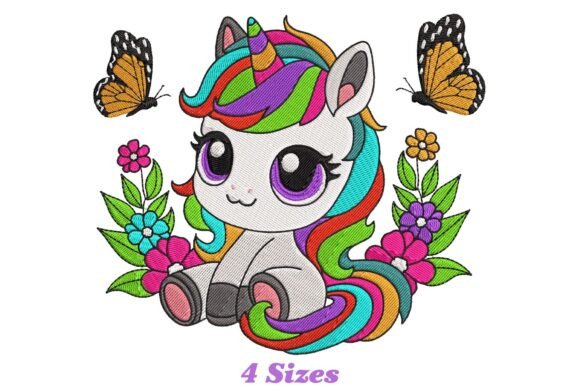
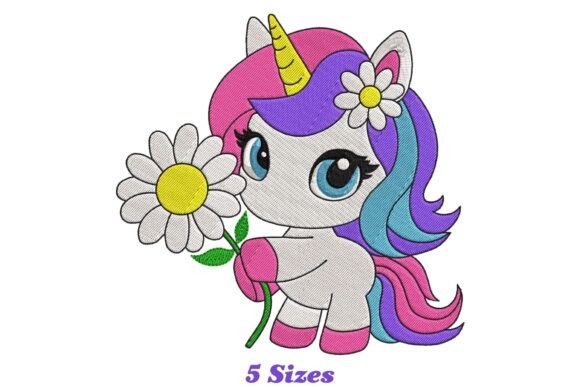
When I opened the Floral Unicorn embroidery file from Creative Fabrica, I wasn’t just scanning for cuteness—I was asking: *Will this hold up on a customer’s baby blanket? Will it read clearly on a dark linen tote? Does its charm translate across fabric types and use cases?* Visually, Floral Unicorn delivers a balanced fairy tale mood—playful but not childish, detailed but not fussy. The unicorn isn’t cartoonish; it’s gracefully stylized, with soft curves, layered floral elements winding through its mane and tail, and subtle dimension built into the satin stitch contours. It feels like a machine embroidery design made for real makers—not just digital collectors.
What Kind of Project Does Floral Unicorn Naturally Fit?
This isn’t a one-size-fits-all motif. Floral Unicorn thrives where personality meets purpose: nursery decor, boutique aprons, embroidered patches for indie kids’ brands, or custom sweatshirt embroidery for small-batch apparel lines. Its scale and composition suggest a medium-to-large hoop placement—ideal for center-front sweatshirts, pillow covers, or the front panel of a canvas tote bag. It’s also well-suited for handmade gifts where emotional resonance matters: think personalized baby blankets, kitchen towels for a new mom, or embroidered cap fronts for a whimsical craft fair booth. As part of the Fairy Tales category, it leans gently into storytelling without leaning too hard on nostalgia—making it versatile for modern handmade shops that value both charm and sophistication.
Real Embroidery Performance: What Works (and What Needs Care)
I tested Floral Unicorn across several substrates: lightweight cotton poplin (for pillow covers), midweight terry cloth (kitchen towel), 100% cotton jersey (baby onesie), and structured twill (cap front). Here’s what stood out:
- Stitch density is moderate—not overly dense, which helps prevent puckering on stretchy fabrics like jersey. That said, I still used a light tear-away + cut-away hybrid stabilizer on the onesie to support fine floral fill stitches near the horn and ears.
- The satin stitch areas (mane highlights, flower centers) held crisp definition on both light and dark fabric—but thread color contrast became critical on navy terry. I swapped to a slightly brighter rose tone in the floral cluster to ensure legibility.
- No tiny lettering or micro-details complicate hooping—Floral Unicorn avoids fragile running stitch outlines or needle-thin stems that fray after washing. That’s a win for commercial embroidery and Etsy sellers shipping finished products.
- On curved surfaces like caps, I repositioned the design slightly lower on the front panel to avoid distortion at the crown seam. The organic flow of the floral elements helped mask minor stretching better than rigid geometric motifs would have.
Practical Considerations for Small Business Use
If you’re evaluating Floral Unicorn for your shop, here’s what matters beyond aesthetics:
- Hoop size matters. Before digitizing mockups or listing on Etsy, confirm the actual hoop requirement. Even if the preview shows “5x7”, check whether the tallest version fits comfortably—or if you’ll need to resize (and whether that impacts stitch integrity).
- Stabilizer strategy shifts by product. For kitchen towels and baby blankets, I used a wash-away topping over cut-away backing to soften the backside texture. For caps and patches, I added a light fusible web before hooping to reduce shifting.
- Thread colors aren’t prescribed—but they shape perception. Default palettes often lean pastel. For boutique merchandise, try richer jewel tones in the floral elements (emerald, plum, gold) to elevate perceived value and brand consistency.
- Wash testing is non-negotiable. I ran stitched samples through three cold gentle cycles (no dryer). No fraying, no skipped stitches—but I did notice slight haloing on the lightest satin edges of the horn on dark fabric. A tighter satin stitch tension or slight underlay adjustment resolved it in my second test run.
How Floral Unicorn Impacts Your Handmade Product Story
In a crowded handmade market, details build trust. Floral Unicorn doesn’t scream “mass-produced”—its layered floral accents and intentional negative space give it artisanal rhythm. When photographed on a linen pillow cover or a cream-colored sweatshirt, it reads as intentional design—not clip art. That distinction lifts perceived value, supports premium pricing, and strengthens brand voice for creative entrepreneurs building cohesive collections (e.g., a full Fairy Tales-themed nursery line or seasonal gift set).
For Etsy sellers, pairing Floral Unicorn with clean printable mockups increases conversion—customers visualize it instantly on their preferred item. And for craft fair vendors, having a few pre-stitched samples (tote, apron, cap) lets buyers feel the texture and drape, reinforcing quality before purchase.
Final Thoughts Before You Stitch
Floral Unicorn earns its place in a working designer’s library—not as a novelty, but as a reliable, expressive digital embroidery file. It bridges playful theme and professional execution. That said, treat it like any serious embroidery file: test on scrap fabric first, review the actual stitch count and file formats listed on the Creative Fabrica product page, and verify licensing terms before selling finished items. If your niche includes custom apparel, nursery goods, or boutique home textiles—and you value designs that feel both imaginative and grounded—Floral Unicorn is worth adding to your design assets. Just remember: even the most charming machine embroidery design depends on your skill, prep, and attention to detail. Let it enhance your voice—not replace it.