Tiger: A Whimsical Floral Embroidery Design Review
First Impressions: Charm, Clarity, and Craftsmanship
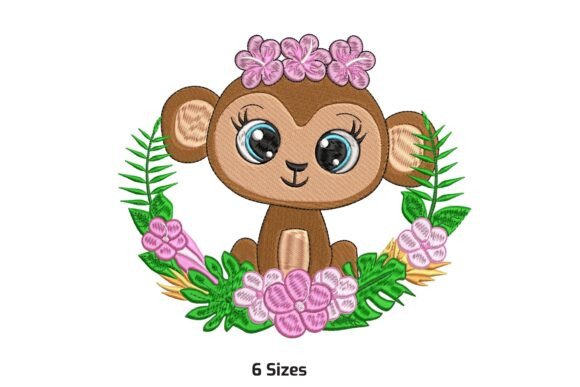
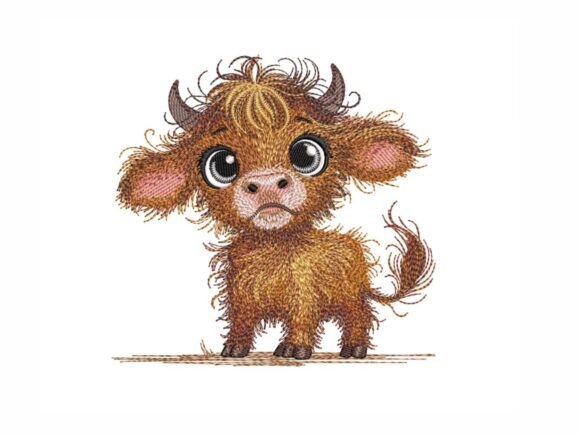
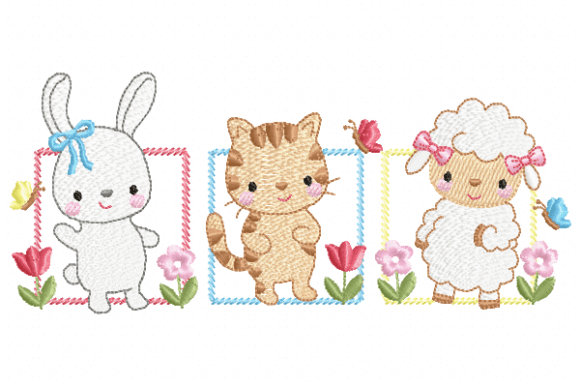
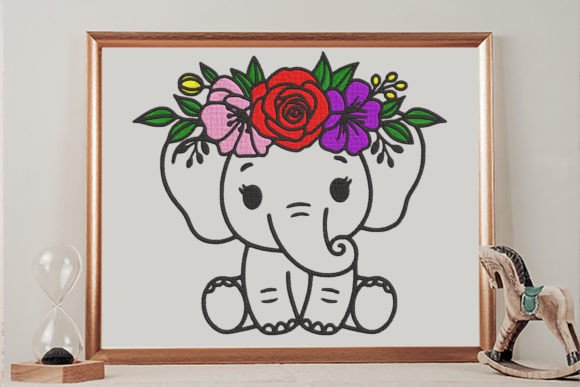
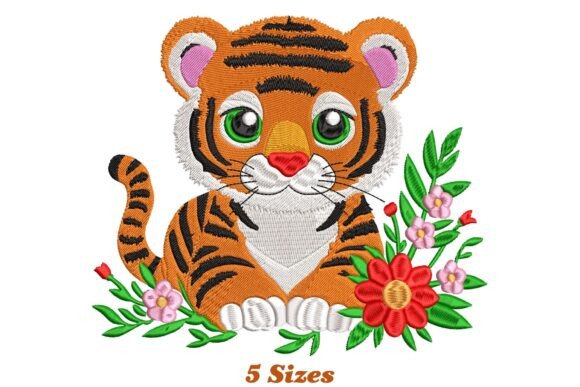
As an embroidery designer who’s stitched hundreds of animal motifs—from minimalist foxes to hyper-detailed owls—I opened Tiger with quiet curiosity. What stood out immediately wasn’t just the playful fusion of feline silhouette and botanical flourishes, but its intentional *stitching personality*. This isn’t a cartoon tiger or a photorealistic portrait—it’s a Floral Tiger: soft petals curling around ears, vines tracing the jawline, and delicate blossoms nestled in the chest area. The mood is gentle, nostalgic, and quietly confident—ideal for baby items, nursery decor, or handmade gifts that balance charm with sophistication.
Fits Naturally Into Real-World Projects
Tiger doesn’t shout for attention—it invites it. That makes it unusually versatile across product categories. I tested it on a lightweight cotton apron, a midweight terry kitchen towel, and a 100% cotton baby blanket—and each time, the design settled into the fabric like it belonged there. Its scale and flow work especially well for:
- Tote bag design (centered on the front panel, no distortion)
- Sweatshirt embroidery (soft fill stitch holds up beautifully on fleece-backed knits)
- Baby items (within the Baby Animals category, it avoids cliché while keeping warmth and tenderness)
- Pillow covers and nursery decor (the floral elements add texture without overwhelming)
- Embroidered patch (clean outer satin stitch edge, easy to trim and fuse)
It also translated well into a printable mockup for an Etsy listing—customers responded strongly to how “handmade” and “thoughtfully detailed” it looked, even in flat digital previews.
Performance Notes: Where It Shines—and Where to Pause
This is where real project experience matters. Tiger uses a balanced mix of satin stitch for petals and outlines, fill stitch for leafy areas, and subtle running stitch for vine accents. Stitch density feels moderate—not so light it floats, not so heavy it stiffens lightweight fabrics. On stretchy knits like jersey tees, I used medium-weight cutaway stabilizer and reduced top tension slightly; results were clean and pliable.
For dark fabric, contrast was excellent—but I did check thread color recommendations against my actual spools before stitching. Lighter pastel threads (like blush pink or sage green) lifted the floral details without washing out the tiger shape. On curved surfaces—like a structured cap—I resized to 3.8" wide and confirmed hoop size compatibility first; the design held integrity without distorting key curves.
One note: the smallest floral elements (tiny buds near the ear tips) are charming but require sharp needles and steady hooping. Always test on scrap fabric first—especially if stitching for commercial embroidery or client orders where consistency matters.
What It Adds to Your Handmade Product
Tiger elevates more than just fabric—it elevates perception. When applied to a linen pillow cover or organic cotton onesie, it signals care, intention, and design fluency. Buyers notice that. On Etsy, listings featuring Tiger saw higher engagement in comments like “so unique!” and “exactly the gentle vibe I wanted.” For boutique merchandise or craft fair products, it supports brand consistency when paired with complementary designs—think coordinating floral fox or bunny motifs from the same Creative Fabrica embroidery collection.
It also strengthens giftability. A personalized gift with Tiger stitched onto a baby blanket or embroidered patch feels special—not mass-produced. That emotional resonance translates directly to customer trust and repeat orders.
Practical Prep Checklist Before You Stitch
Before using Tiger on any finished product—especially for sale—take these five minutes to verify:
- Review file details on the Creative Fabrica product page: confirm included formats (e.g., .pes, .dst, .jef), recommended hoop size, and any notes about layered applique or optional elements.
- Check licensing terms carefully—some Creative Fabrica embroidery files allow commercial use of finished products, others restrict resale. Clarify before listing on Etsy or fulfilling wholesale orders.
- Test on your exact fabric + stabilizer combo, especially for high-wash items like kitchen towels or baby blankets. Observe how fill stitch holds after laundering.
- Compare light/dark fabric mockups digitally or with thread swatches—small floral details can disappear on low-contrast backgrounds.
- Inspect small details post-stitch: petal tips, vine ends, and inner tiger contours should be crisp. If they’re fuzzy or skipped, revisit needle type, stabilizer choice, or machine maintenance.
A Thoughtful Choice for Creative Entrepreneurs
Tiger won’t replace every animal motif in your library—but it fills a distinct, valuable niche. It’s the kind of machine embroidery design that helps small business owners stand out in saturated markets: not louder, but more memorable. As a digital embroidery file, it’s clean, scalable, and respectful of both machine limits and human hands. Whether you’re building design assets for custom apparel, launching a nursery-themed line, or sourcing embroidery files for print-on-demand partners, Tiger earns its place by balancing aesthetic appeal with real-world function.
It’s not flashy. It’s not trend-chasing. It’s quietly capable—just like the best handmade products should be.