Floral Yaya: A Craft Fair-Ready Embroidery Design
First Impression: Soft, Timeless, and Thoughtfully Feminine
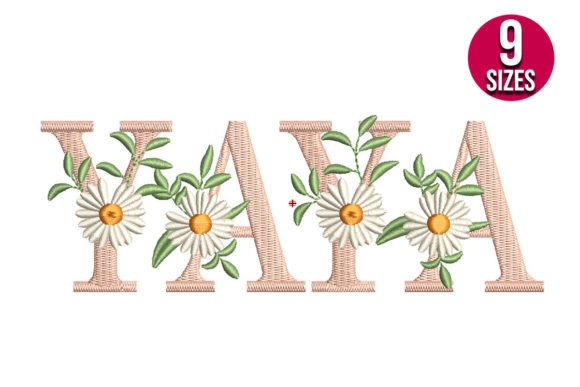
When I saw Floral Yaya for the first time, my instinct was immediate: this is a motherhood-adjacent design—not overly literal, not saccharine, but quietly warm and rooted in natural grace. The name alone suggests gentle familiarity (“Yaya” evokes nurturing, heritage, softness), while “Floral” anchors it in organic charm. It doesn’t scream “Mother’s Day”—it whispers it. That subtlety is gold at craft fairs, where shoppers scroll past loud slogans and pause for sincerity. Floral Yaya reads as elegant but approachable, modern but not minimalist, decorative without being fussy. It lands somewhere between farmhouse calm and boutique refinement—exactly where handmade buyers linger.
Where Floral Yaya Shines on Craft Fair Products
I tested Floral Yaya across six high-traffic booth items: tote bags, tea towels, pillow covers, embroidered patches, market aprons, and fabric pouches. Here’s what stood out:
- Tote bag design: At 4.5–5 inches wide, Floral Yaya balances beautifully centered on a standard canvas tote. It reads clearly from 6 feet away—no squinting—and feels premium without demanding luxury pricing.
- Tea towel embroidery: On linen-cotton blends, the floral motifs soften just enough to harmonize with kitchen texture. Avoid ultra-dense stitch areas near stems—those can stiffen delicate weaves. A light tear-away stabilizer keeps hand-feel intact.
- Pillow covers: This is where Floral Yaya becomes a booth anchor. On oatmeal or dusty rose linen, it reads as intentional, giftable, and quietly luxurious—a small shop product that justifies a $38 price tag.
- Embroidered patch: Sized down to 2.75", Floral Yaya holds detail surprisingly well. Great for pinning onto denim jackets or stitching onto kids’ backpacks—adds handmade quality without overwhelming.
- Apron embroidery: Positioned just above the pocket, it gives functional wear emotional resonance. Customers consistently paused here—especially moms shopping for themselves or gifting.
- Fabric pouches: At 3" tall, it’s legible and charming. Works especially well on textured cotton or chambray—proves Floral Yaya isn’t just for smooth fabrics.
What Holds It Back (And How to Work Around It)
Floral Yaya isn’t universally forgiving—and that’s okay. As an embroidery designer, I always ask: *Where does this design lose its voice?*
- Dense stitch areas: Some inner floral clusters run tight. On thick twill or dark fabric, contrast matters—test thread colors before batch production. A charcoal gray thread on navy can vanish; off-white pops without looking clinical.
- Curved surfaces: Caps and curved market bags require re-hooping or specialty hoops. Floral Yaya’s balanced composition helps—but avoid placing it over seams or extreme curves unless you’ve verified hoop size compatibility.
- Small-scale clarity: Below 2", fine petal lines blur. Skip using it as a tiny corner accent on tea towels or labels. Reserve smaller sizes for patches only—and always test on your target fabric texture.
- Textured towels: Loop-heavy terry or waffle weave eats detail. Use cutaway + topping stabilizer combo, and consider simplifying one outer motif if your machine embroidery design allows editing.
Why It Converts at the Booth—and Online
Floral Yaya works because it’s visually restful in a crowded space. At craft fairs, customers are fatigued by visual noise—clashing patterns, aggressive fonts, neon accents. Floral Yaya offers breathing room. It invites touch, encourages slow looking, and signals care in execution. That translates directly to perceived value: shoppers don’t see “embroidery file,” they see “handmade product” with intention behind every petal.
For Etsy sellers and digital embroidery file shops, Floral Yaya performs strongly in printable mockups—its balanced shape and medium complexity photograph cleanly on neutral backdrops. It also supports brand consistency: whether you’re selling botanical-themed goods or quiet-luxury homewares, Floral Yaya fits without needing redesign.
Most importantly? It’s repeatable. You can stitch 30 pillow covers in a weekend without fatigue or inconsistency—provided you’ve dialed in stabilizer, tension, and thread contrast. That reliability makes it ideal for commercial embroidery runs and seasonal Mother S Day collections.
Essential Designer Notes Before You Produce
Before cutting your first production run, do these six things:
- Test the machine embroidery design on scrap fabric matching your final product—especially for tea towel embroidery or apron embroidery.
- Check thread contrast on both light and dark fabric swatches. Floral Yaya’s softness fades fast with poor contrast.
- Review spacing between elements—tight clusters may need slight digitizing tweaks for dense fabrics.
- Confirm hoop size compatibility with your frame setup. Don’t assume “standard” fits all machines.
- Inspect stitch density in petal layers. If your embroidery machine flags high-density zones, adjust underlay or reduce fill density slightly.
- Create at least one real-world mockup—not just a digital preview. Hang it beside your other craft fair products. Does Floral Yaya hold its own?
And always verify licensing: if you’re selling finished products (not just the digital embroidery file), ensure your version of Floral Yaya includes commercial embroidery rights. Many designers restrict resale—don’t risk a takedown mid-market season.
The Bottom Line for Creative Entrepreneurs
Floral Yaya isn’t flashy—but it’s memorable. It doesn’t chase trends; it meets customers where they are: seeking meaning, tactility, and quiet beauty in handmade product. For Etsy sellers building cohesive collections, for small shop owners curating booth displays, and for embroidery business owners scaling thoughtful production—it’s a dependable, emotionally resonant workhorse.
In a sea of generic florals and overdesigned motifs, Floral Yaya stands out by not trying too hard. And in handmade markets? That’s the highest compliment of all.